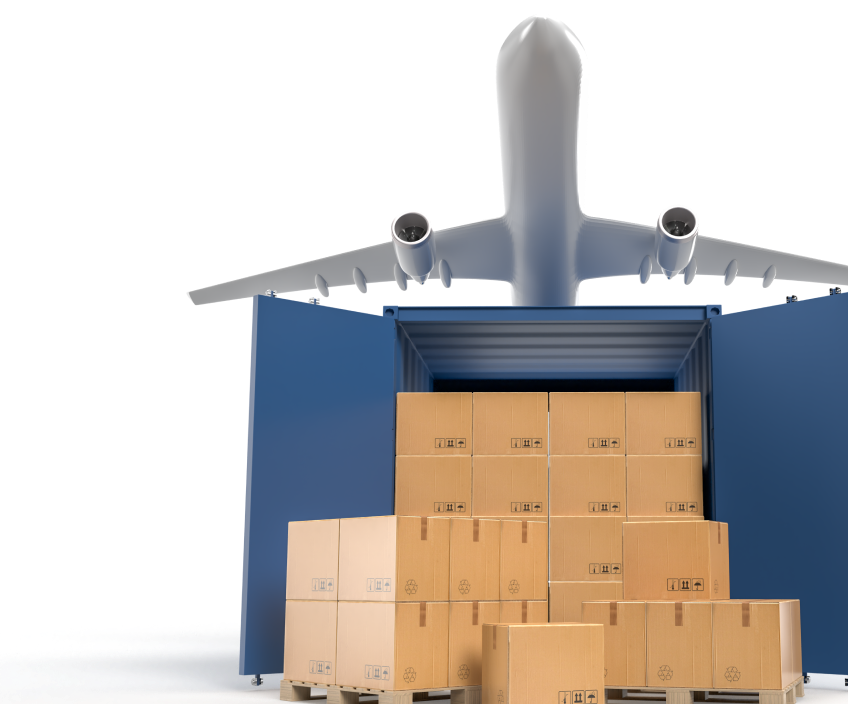

Freight Forwarders in Dubai: The Complete Guide
Dubai doesn’t just participate in global trade – it quietly powers a significant part of it. Every day, thousands of shipments move through its ports, airports, and highways, connecting manufacturers, suppliers, and customers across continents. From high-value electronics to life-saving pharmaceuticals, the city has become a critical gateway for businesses that rely on speed, reliability, and global reach.
But here’s what most people don’t see.
Behind every successful shipment is a layer of coordination that’s far more complex than simply moving goods. There are regulations to navigate, routes to optimize, costs to manage, and risks to anticipate. This is where logistics providers and freight forwarding specialists become essential — not just as service providers, but as long-term operational partners.

- ISO 9001:2015
- ISO 45001: 2018
www.tuv.com
ID: 9000012225

- AE 25/00000271
Good Distribution Practice Certified 2025
Today, businesses are no longer simply searching for transportation support. They are looking for reliable freight forwarding companies in Dubai that can help simplify supply chains, reduce operational disruptions, and support long-term global growth.
As international trade becomes increasingly interconnected, businesses across industries now depend heavily on experienced freight forwarders to maintain consistency, speed, and flexibility across global markets.
If you’re exploring freight forwarders in Dubai or across the UAE, you’re likely trying to answer a bigger question: how do you build a supply chain that actually works consistently, efficiently, and at scale?
- What Freight Forwarders Really Do:
- Basic vs Experienced Freight Forwarder:
- Why Dubai is a Global Logistics Powerhouse
- Air Freight Services
- Sea Freight Services
- Land Freight Services
- Multimodal Freight Solutions
- Precision Customs Clearance
- Shipping Dangerous Goods
- Cold Chain Logistics
- The Role of Technology: From Visibility to Control
- Importing Goods into the UAE
- Choosing the Right Freight Forwarder in Dubai
- Why TFI Is a Trusted Choice Among Freight Forwarders in Dubai
What Freight Forwarders Really Do: The Engine Behind Global Trade
Freight forwarding is often misunderstood as a purely transactional service — something that simply moves goods from one place to another. On the surface, it can look straightforward: book transport, handle paperwork, and deliver cargo. However, in reality, the process is far more layered, strategic, and interconnected than it appears.
At its core, freight forwarding is about coordination. A UAE freight forwarder acts as the central point managing the entire journey of a shipment, ensuring that multiple moving parts come together seamlessly. And this journey is rarely linear.
That’s because a typical international shipment involves several key stages:
⦁ Origin handling – Pickups, readiness validation, and supplier alignment.
⦁ Export documentation – Strict validation to avoid down-line customs holds.
⦁ Transportation – Air, sea, land, rail, or multimodal
⦁ Customs clearance – Handling international tariff declarations and safety filings.
⦁ Destination handling and final delivery – De-consolidation, warehouse arrival, and finalized delivery.
The Cost of Disconnection
Each stage carries real operational dependencies. An accuracy mistake at origin triggers delays at customs; route congestion impacts plant production times. True freight architecture isolates these points of failure before cargo is ever picked up.
For instance, origin handling is not just about picking up cargo – it involves verifying readiness, coordinating with suppliers, and ensuring the shipment is prepared correctly for export.
Export documentation is even more sensitive, as every detail must match exactly with what is being shipped. Inaccuracies here can trigger customs delays later in the process.
Transportation is another layer where complexity increases. Depending on the shipment, goods may move by air for speed, sea for cost efficiency, or land for regional distribution. In many cases, shipments involve a combination of these modes, requiring careful synchronization to avoid delays or mismatches in transit.
Once the cargo reaches its destination country, customs clearance becomes one of the most critical stages. This is where compliance takes center stage. Each country has its own set of regulations, classifications, and documentation requirements. Even minor errors in paperwork can result in inspections, penalties, or extended delays.
Finally, destination handling ensures the cargo is properly received, processed, and delivered to its final point – whether that is a warehouse, retail location, or end customer.
What makes freight forwarding truly complex is that each of these stages carries its own risks and dependencies. Delays at origin can disrupt the entire timeline. Carrier congestion can limit space availability. Customs issues can unexpectedly hold shipments. Worse, external factors such as weather disruptions, geopolitical changes, or port congestion can further complicate planning.
This is where the real value of a UAE freight forwarding company becomes clear.
Basic vs Experienced Freight Forwarder: What’s the Difference?
Experienced Dubai freight forwarders don’t simply react to these challenges – they anticipate them. They understand which shipping routes are prone to delays during peak seasons. What’s more, they know which ports tend to experience congestion and when. Familiarity with common documentation mistakes that often lead to customs holds is also their expertise. Most importantly, they use this knowledge to prevent problems before they occur.
Simply put, instead of waiting for issues to arise, they actively design shipments in a way that reduces risk from the beginning.
The difference between a basic and a seasoned freight forwarder often lies in this mindset. A basic provider focuses on execution, which involves booking cargo, processing documents, and ensuring the shipment moves from point A to point B. Meanwhile, an experienced UAE freight forwarder takes a broader view, thinking in terms of efficiency, risk management, and long-term reliability.
In real-world logistics, this difference becomes significant. Global supply chains are constantly shifting. Shipping schedules change. Air cargo capacity fluctuates. Customs regulations evolve. Market demand rises and falls unexpectedly. Without proactive management, these variables can create delays and inefficiencies that directly impact business performance.
A strong freight forwarder helps absorb this complexity. From the client’s perspective, everything appears simple — goods are shipped, tracked, and delivered. But behind that simplicity is constant coordination, decision-making, and problem-solving happening in real time.
In that sense, freight forwarding is not just about moving cargo – it’s about protecting continuity. Because in business, continuity is everything. A delayed shipment can disrupt production schedules. A missing component can halt operations entirely. A late delivery can affect customer trust and revenue cycles. These are not just logistics issues but are serious business risks.
Reliable freight forwarding companies in Dubai and the UAE understand this responsibility. They are not just managing transportation; they are managing stability. Moreover, they ensure that despite global uncertainties, the flow of goods remains as consistent and predictable as possible.
Why Dubai Has Become a Global Logistics Powerhouse
Dubai’s dominance in logistics isn’t accidental. It is the result of long-term strategic planning, continuous infrastructure investment, and a deep understanding of how global trade actually moves.
What makes the city stand out is not just that it participates in global logistics — it actively shapes how logistics flows through the region. Over the years, Dubai has positioned itself as more than a transit point. It has become a central node where supply chains converge, break bulk, and redistribute across continents. To understand why freight forwarders in Dubai operate with such efficiency, let’s look at two key pillars: location advantage and infrastructure integration.
- A Location That Works in Your Favor
Geography is often the starting point of any logistics conversation, and Dubai has one of the most powerful geographic positions in global trade. Sitting at the crossroads of Asia, Europe, and Africa, the emirate is uniquely positioned to connect some of the world’s most active and fastest-growing trade corridors. This means that goods moving between East and West often pass through or are routed via the UAE not as a detour, but as an optimization.
For businesses, this creates a practical advantage. Instead of building separate supply chain hubs in different regions, companies can consolidate operations through Dubai and still maintain access to multiple markets. A single distribution point can efficiently serve the Middle East, North Africa, parts of Europe, and South Asia.
This positioning directly impacts logistics in several ways:
⦁ Reduced transit times across key global routes
⦁ Simplified distribution networks for international businesses
⦁ Lower operational complexity compared to multi-hub models
⦁ Faster re-export capabilities into surrounding regions
What makes this even more powerful is not just the location itself, but how Dubai has built systems around it. The emirate has designed its trade ecosystem to take full advantage of this geographic position, turning it into a structured advantage rather than just a natural one.
In practical terms, this means freight forwarders in Dubai are not working against geography — they are working with it. Routes are shorter, connections are faster, and access to multiple regions is far more streamlined than in many traditional logistics hubs.
However, it’s important to note that location alone doesn’t create a global logistics powerhouse. Infrastructure is what transforms potential into performance.
- Infrastructure Designed for Flow, Not Friction
What truly separates Dubai from many other logistics hubs is not just the scale of its infrastructure, but the way it has been designed to function as a connected system rather than isolated assets. In many parts of the world, ports, airports, and industrial zones operate independently. Cargo often needs to move through multiple disconnected systems, creating delays, handover issues, and unnecessary friction.
Dubai takes a different approach. Here, infrastructure is built to support continuous movement. Ports, airports, free zones, and road networks are integrated in a way that allows cargo to transition smoothly between different modes of transport. This is where the real efficiency of freight forwarding in Dubai becomes visible.
For example, a shipment arriving by sea at a major port can be transferred to a truck and moved directly to a free zone warehouse. From there, it can be prepared for air freight and dispatched internationally – all within a tightly coordinated system.
This level of integration creates several advantages:
⦁ Cargo can move between sea, air, and land transport with minimal delay
⦁ Storage, processing, and redistribution can happen within connected logistics zones
⦁ Customs and regulatory procedures are streamlined within dedicated systems
⦁ Transshipment becomes faster and more predictable
What this essentially means is that Dubai doesn’t treat logistics as separate stages but as a continuous flow. This design philosophy is extremely important in modern trade, where speed and reliability often matter as much as cost. It also allows the city to handle two very different types of logistics demands at the same time:
On one end, high-volume global trade, where thousands of containers move in and out daily. On the other, time-sensitive shipments, such as pharmaceuticals, aerospace parts, or urgent commercial cargo that require precise coordination. In most logistics environments, these two categories would require different systems or even different hubs. In Dubai, they coexist within the same ecosystem.
- A Business Environment That Encourages Trade
One of the biggest reasons Dubai has become a global logistics hub is not just its location or infrastructure, but the way it has intentionally designed its business environment to support trade rather than slow it down.
In many countries, logistics is often complicated by layers of bureaucracy, slow approvals, and fragmented regulations. In contrast, Dubai has spent decades building a system where goods, services, and capital can move with minimal friction. The result is a business ecosystem that feels built for movement — not restriction.
- The Bigger Picture
Dubai’s logistics strength is not defined by a single port, airport, or free zone. It is defined by how all of these elements work together as one connected system.
Location gives it reach. Infrastructure gives it speed. Integration gives it reliability. And when these three factors come together, they create an environment where freight forwarding in Dubai is not just operational but highly strategic.
For businesses operating in or through Dubai, this means logistics is no longer just about moving goods. It is about leveraging a system designed to make global trade faster, smoother, and more efficient than ever before.
Air Freight Services in Dubai: When Speed Can’t Wait
There are moments in business when timing becomes everything.
A production line is waiting for a missing component. A pharmaceutical shipment needs strict temperature control. An urgent order has to reach a customer before a critical deadline. In situations like these, air freight becomes more than just a shipping option but a business lifeline.
This is why many companies rely on experienced freight forwarders in Dubai to handle time-sensitive cargo with speed, precision, and reliability. The emirate has earned its reputation as one of the world’s leading air cargo hubs because of its strategic location and unmatched global connectivity. Positioned between Asia, Europe, and Africa, the city allows businesses to move cargo quickly across international markets without unnecessary delays.
However, fast transportation alone is not enough. Businesses also need logistics partners that understand documentation, customs regulations, cargo handling, and coordination across multiple touchpoints. This is where professional Dubai freight forwarding companies play a critical role.
Why Businesses Continue to Choose Air Freight
For many industries, delays can quickly become expensive. A late shipment can disrupt operations, affect customer relationships, or slow down an entire supply chain.
Air freight helps businesses avoid those risks by offering:
- Faster delivery timelines
- Reliable flight schedules
- Higher cargo security
- Better shipment visibility
- Reduced inventory pressure
- Faster access to global markets
It’s particularly valuable for industries that deal with urgent, high-value, or sensitive cargo, where speed and handling standards matter just as much as transportation itself.
More Than Just Cargo Movement
Experienced freight forwarders in Dubai do far more than simply book cargo space on an aircraft. They coordinate the entire logistics process from start to finish.
This often includes:
- Shipment planning and routing
- Documentation management
- Customs clearance
- Cargo consolidation
- Specialized packaging
- Temperature-controlled handling
- Final delivery coordination
The goal is not simply to move cargo quickly, but to move it smoothly, safely, and without unnecessary complications.
Industries That Depend on Air Freight
Air freight has become essential for businesses operating in fast-moving industries such as:
- Pharmaceuticals and healthcare
- Electronics and technology
- Automotive and aerospace
- Fashion and retail
- Oil and gas
- Events and exhibitions
- E-commerce
Each of these sectors faces different logistics challenges, which is why freight forwarders in Dubai often provide tailored solutions based on cargo type, urgency, compliance requirements, and destination.
Dubai’s Role as a Global Air Cargo Hub
One of Dubai’s greatest strengths is its ability to connect businesses to international markets quickly and efficiently. Its advanced aviation infrastructure and strong airline network allow freight forwarding companies to offer flexible routing options and shorter transit times.
For businesses operating globally, this level of connectivity creates a major competitive advantage. It allows them to respond faster to market demands, maintain leaner inventories, and serve customers more efficiently across different regions.
Sea Freight Services in Dubai: Moving Global Trade at Scale
While air freight is built for speed, sea freight is built for scale.
Every day, massive volumes of cargo move across oceans carrying everything from raw materials and industrial equipment to retail products and commercial goods. Behind much of this movement are experienced freight forwarders in UAE helping businesses manage international shipping in a more efficient and cost-effective way.
Why Sea Freight Still Powers Global Trade
Sea freight plays a major role in international commerce because it allows businesses to move large quantities of cargo at significantly lower transportation costs compared to air freight.
This makes it ideal for:
- Bulk cargo
- Industrial machinery
- Construction materials
- Commercial inventory
- Long-term supply chain planning
- International imports and exports
For many businesses, sea freight is not simply about reducing costs. It’s about building a supply chain that can scale sustainably as operations grow.
The Advantage of Working with Sea Freight Forwarders in Dubai
International shipping involves much more than loading containers onto a vessel. There are customs procedures, documentation requirements, carrier coordination, port operations, and delivery schedules that all need to align properly. Even small mistakes can lead to delays, added costs, or operational disruptions.
This is why businesses often work with freight forwarders in Dubai that can manage the process end-to-end.
Their role typically includes:
- Coordinating with shipping lines
- Managing import and export documentation
- Handling customs clearance
- Monitoring cargo movement
- Organizing warehousing and distribution
- Providing shipment visibility throughout transit
For businesses, this creates a smoother and more predictable shipping experience.
- Flexible Shipping Options for Different Cargo Needs
Not every shipment is the same, which is why freight forwarding companies offer different types of sea freight solutions depending on cargo size and operational requirements.
Full Container Load (FCL)
Ideal for businesses shipping enough cargo to fill an entire container. This option provides better control, security, and efficiency for larger shipments.
Less than Container Load (LCL)
Perfect for smaller shipments that do not require a full container. Cargo is consolidated with other shipments, helping businesses optimize costs.
Break Bulk and Project Cargo
With temperature mapping, climate control, and GPS tracking, our pharma-dedicated fleet ensures secure and compliant deliveries every time
RORO (Roll-on/Roll-off) Shipping
Designed for wheeled cargo such as cars, trucks, buses, trailers, and heavy machinery. Vehicles are driven directly onto specialized vessels and rolled off at the destination, making RORO shipping a cost-effective and efficient solution for automotive and equipment transportation.
Out of Gauge (OOG) Cargo
Suitable for cargo that exceeds the dimensions of standard shipping containers. This includes oversized machinery, industrial equipment, construction materials, and large project cargo that require specialized handling, loading, and transportation solutions.
Temperature-Controlled Shipping
Specialized reefer containers help transport pharmaceuticals, food products, and temperature-sensitive cargo safely across long distances.
- Dubai’s Strategic Position in Maritime Logistics
Dubai has become one of the world’s most important maritime trade hubs because of its geographic location and advanced port infrastructure. Its strategic access to major global shipping routes enables freight forwarders to move cargo seamlessly and efficiently across Asia, Europe, Africa, and other international markets.
Land Freight Services in Dubai: Keeping Regional Trade Moving
Land freight plays a crucial role in the way goods move across the Gulf region. For businesses operating in and out of the UAE, it is one of the most important logistics channels connecting Dubai to key markets such as Saudi Arabia, Oman, Bahrain, Kuwait, and beyond.
On the surface, it looks simple – trucks moving goods across relatively short distances. But in practice, GCC land freight is far more nuanced. It sits at the intersection of multiple regulations, border systems, and operational realities that require careful coordination.
This is exactly where Dubai freight forwarders become essential — not just as transport arrangers, but as navigators of regional complexity.
Why GCC Land Freight Is More Complex Than It Looks
Unlike domestic logistics within a single country, GCC land freight involves crossing international borders, each with its own administrative systems. Even though the region is geographically connected and economically aligned in many ways, each country still operates with its own set of rules when it comes to:
⦁ Customs documentation and clearance procedures
⦁ Vehicle entry regulations and permits
⦁ Cargo classification and inspection requirements
⦁ Border control processes and timing variations
Because of this, what should be a straightforward road journey can easily turn into a multi-step administrative process. This often results in the following challenges:
⦁ Unexpected delays at border checkpoints
⦁ Variations in transit time depending on congestion or inspections
⦁ Additional paperwork and coordination between multiple authorities
⦁ Lack of predictability in delivery schedules if not properly managed
If your business relies on consistent supply chains, even small disruptions in land freight can have a noticeable impact on operations.
Where Experienced Freight Forwarders Make the Difference
Experienced forwarders don’t treat GCC land freight as a simple point-to-point movement. Instead, they approach it as a multi-layered coordination process that requires planning, preparation, and real-time adaptability. They bring structure to what can otherwise become an unpredictable journey. Their role typically includes:
⦁ Planning routes based on real-time border conditions, traffic flow, and regional efficiency
⦁ Ensuring all documentation is accurate, complete, and compliant with each destination country’s requirements
⦁ Coordinating with customs agents and local authorities to reduce delays at checkpoints
⦁ Monitoring shipments throughout the journey to manage exceptions or disruptions proactively
This level of oversight helps ensure that shipments don’t just move — they move consistently and reliably across borders. In many cases, the difference between a delayed shipment and a smooth delivery is not the road itself, but the preparation done before the truck even leaves Dubai.
The Importance of Reliable Coordination
Road transportation may sound straightforward, but regional logistics can quickly become complex. Border regulations, customs requirements, route planning, fleet availability, delivery scheduling, and cargo handling all need proper coordination to avoid delays. This is why businesses often choose experienced freight forwarders in Dubai that can manage regional transportation more efficiently.
Different Land Freight Solutions for Different Business Needs
Freight forwarding companies typically offer a range of transportation options depending on shipment size and urgency.
Full Truck Load (FTL)
Best suited for businesses moving large shipments that require dedicated vehicle capacity.
Less than Truck Load (LTL)
A more cost-effective option for smaller shipments that can share transportation space with other cargo.
Temperature-Controlled Transport
Essential for pharmaceuticals, healthcare products, and perishables that require stable temperature conditions.
Heavy Equipment Transportation
Specialized transport solutions for oversized industrial machinery and project cargo.
Supporting GCC Trade Connectivity
Dubai’s road network provides strong connectivity to neighboring GCC markets including Saudi Arabia, Oman, Kuwait, and Bahrain. This makes Dubai freight forwarders valuable logistics partners for businesses expanding regional operations or managing cross-border trade within the Gulf.
Multimodal Freight Solutions in Dubai: Building Smarter Supply Chains
- How Multimodal Transport Works in Dubai
Dubai is uniquely positioned to support multimodal logistics because of its integrated infrastructure.
A typical multimodal journey might look like this:
A shipment arrives by sea at Jebel Ali Port, where it is cleared and transferred to a warehouse within a free zone. From there, part of the cargo may be moved by truck into Saudi Arabia via GCC land freight routes, while another urgent portion may be flown out via air freight to an international destination.
What makes this powerful is that all of these movements are coordinated under a single logistics plan and often a single contract, rather than being managed separately. This removes complexity from the shipper’s perspective and creates a more unified supply chain experience. Instead of managing multiple providers for different legs of the journey, businesses rely on Dubai freight forwarding companies to orchestrate the entire flow.
- Why Businesses Are Increasingly Choosing Multimodal Logistics
In today’s global environment, supply chains are under constant pressure from factors such as demand fluctuations, shipping delays, port congestion, and changing trade conditions. This is why multimodal transport has become more than just an option — it is increasingly becoming a strategic necessity.
Businesses are moving toward multimodal solutions because they offer:
⦁ Greater flexibility in how goods are moved based on urgency, cost, and destination
⦁ Better cost optimization, allowing businesses to balance expensive and economical transport modes
⦁ Reduced reliance on a single transport system, which lowers exposure to disruptions
⦁ Improved resilience in supply chains, especially during global logistics interruptions
Instead of being locked into one method of transport, businesses can adjust their logistics strategy dynamically depending on what is happening in real time.
For example, if sea freight delays increase due to port congestion, part of the shipment can be rerouted via air. If land borders experience delays, alternative routing or timing adjustments can be made within the same logistics framework. This adaptability is what makes multimodal logistics especially powerful in regions like the GCC, where cross-border and international trade intersect daily.
- The Role of Freight Forwarders in Dubai in Multimodal Strategy
Multimodal logistics only works effectively when there is strong coordination between all transport stages. Without it, shipments can become fragmented and inefficient. This is where Dubai freight forwarding companies enter the picture.
Experienced forwarders ensure that:
⦁ Each mode of transport is aligned within a single shipment strategy
⦁ Timing between transitions (sea to land, land to air, etc.) is carefully managed
⦁ Documentation and compliance are maintained consistently across all legs
⦁ Communication between carriers, customs, and agents remains seamless
Rather than treating each segment separately, they manage the entire journey as one continuous flow. This is what transforms multimodal transport from a concept into a functioning, efficient system.
Understanding Customs Clearance in Dubai: A Process That Rewards Precision
Customs clearance in Dubai is often misunderstood as a slow or complicated stage in logistics. In reality, it is one of the most efficient systems globally – but only when handled correctly.
The Emirates has built a highly structured and digitized customs framework designed to support fast-moving trade. However, the system is extremely detail-sensitive. This means the difference between a smooth clearance and a delayed shipment often comes down to one thing: precision in documentation and preparation.
- Why Customs Delays Actually Happen
Most delays in customs clearance are not caused by the system itself but by avoidable human or documentation errors. Even small inconsistencies can create unnecessary friction in the process.
Some of the most common issues include:
⦁ Incorrect or inconsistent product classification
⦁ Missing supporting documents such as invoices or certificates
⦁ Mismatch between declared values and actual shipment details
⦁ Errors in HS codes or cargo descriptions
Individually, these may seem minor. But in customs processing, even a small discrepancy can trigger additional verification, inspections, or holds. That’s where delays begin to build. What makes Dubai different is that the system is efficient, but it’s not forgiving when it comes to accuracy.
- How the Customs Process Works in Practice
While customs clearance may feel complex from the outside, the actual process in Dubai follows a structured and fairly predictable flow:
⦁ Documentation is submitted electronically through customs systems
⦁ The shipment is reviewed for compliance and accuracy
⦁ If required, the cargo may be selected for inspection
⦁ Duties and taxes are assessed based on declared details
⦁ Once cleared, goods are released for delivery
The system is designed to move quickly, especially for compliant shipments. However, the speed of clearance depends heavily on how well the shipment is prepared before it even arrives. This is why preparation is not just a step — it’s the foundation of the entire process.
- The Role of Freight Forwarders in Simplifying Customs
Freight forwarders in Dubai play a critical role in keeping trade moving efficiently. Experienced professionals don’t treat customs as a separate step that begins when cargo arrives. Instead, they integrate customs preparation into the entire logistics process from the very beginning.
Their role typically includes:
⦁ Ensuring all documentation is complete, accurate, and consistent before shipment departure
⦁ Verifying product classifications and HS codes in advance
⦁ Aligning declared values with invoices and supporting paperwork
⦁ Staying updated on regulatory changes and customs requirements
⦁ Coordinating directly with customs authorities when clarification is needed
By doing this, they reduce the likelihood of delays before they even have a chance to occur. In many cases, the difference between a delayed shipment and a smooth clearance is not what happens at customs. It’s actually what happens before the shipment even leaves the origin point. This proactive approach is what separates standard logistics handling from experienced freight forwarding.
- Why Precision Matters More Than Speed in Customs
In logistics, speed is often seen as the priority. But in customs clearance, speed is actually a result of something else: accuracy. A well-prepared shipment doesn’t need to be ‘pushed through’ the system — it moves naturally through it. That’s the real advantage of working with experienced Dubai freight forwarders who understand how to prepare shipments correctly from the start.
When precision is prioritized, the entire process becomes more predictable. There are fewer surprises, fewer inspections, and far fewer delays. And in a trade environment like Dubai where efficiency is built into the system, that level of preparation becomes a major competitive advantage.
Shipping Dangerous Goods: Where Expertise Is Non-Negotiable
Shipping dangerous goods is one of the most sensitive areas in global logistics. Not only is it just another category of cargo but a responsibility—a heavy process where precision, compliance, and experience matter at every single step. Unlike general cargo, dangerous goods cannot be treated with flexibility or assumption. Every movement is governed by strict international rules designed to protect people, property, and the environment. This is why in logistics, especially in a global hub like the UAE, this area is never handled casually.
For businesses relying on freight forwarding, dangerous goods shipping is one of the clearest examples of where expertise is not optional — it’s essential.
- The Role of Freight Forwarders in Simplifying Customs
At first glance, shipping a product might seem straightforward: pack it, label it, ship it. However, when it comes to dangerous goods or hazardous materials, every assumption disappears. These shipments include items such as chemicals, flammable materials, industrial gases, and lithium batteries — all of which behave differently under transport conditions and require specific handling protocols. The complexity comes from the fact that every single product must be evaluated, categorized, and handled according to global safety standards. Nothing is generic.
There are four core areas where precision is absolutely critical:
Classification
Every dangerous good must be correctly identified under international classification systems. Misclassification can lead to incorrect handling throughout the entire journey.
Packaging
Standard packaging is not enough. Materials must meet strict safety requirements to ensure containment, durability, and resistance under different transport conditions.
Labeling
Clear hazard labels and markings are mandatory. These are not just formalities – they communicate critical safety information to handlers at every stage of transport.
Documentation
Specialized transport solutions for oversized industrial machinery and project cargo.
Even a small mistake in any of these areas can create significant issues. In the best-case scenario, the shipment is delayed. In more serious cases, it can be rejected, fined, or held for inspection. This is why dangerous goods logistics is not about speed but control.
Why Compliance Is Not Optional in This Category
Dangerous goods shipping operates under strict global frameworks such as International Air Transport Association (IATA) for air freight and International Maritime Dangerous Goods (IMDG) for sea freight. These regulations exist to ensure that hazardous materials are transported safely and consistently across borders. However, it’s important to note that compliance is not just about following rules on paper. It requires real operational discipline.
A shipment must be prepared in a way that ensures:
⦁ Safety during handling and transport
⦁ Compatibility with transport mode requirements
⦁ Consistency across origin and destination regulations
The challenge is that regulations are not always identical across countries or transport modes. A shipment that is compliant for air freight may require adjustments for sea freight or land transport. This is where experience becomes critical because compliance is not static. It changes depending on the route, the mode, and the destination.
Why Dangerous Goods Require Specialized Handling
This is where the role of freight forwarders in Dubai and across the UAE becomes especially important. Not every logistics provider is equipped to handle dangerous goods. It requires trained personnel, certified processes, and a deep understanding of international safety regulations.
Experienced freight forwarders manage this complexity by ensuring that:
⦁ Only certified staff handle dangerous goods shipments
⦁ Packaging is approved and meets regulatory standards
⦁ Documentation is reviewed thoroughly before dispatch
⦁ Each shipment is aligned with both origin and destination requirements
⦁ Safety procedures are followed consistently across all stages of transport
This level of control is not just about compliance but also about risk reduction. Because in dangerous goods logistics, risk is not theoretical but operational.
The Real Cost of Getting It Wrong
One of the reasons dangerous goods logistics is treated so seriously is because the consequences of errors can be significant. A small mistake in classification or documentation can lead to the following:
⦁ Shipment rejection at origin or destination
⦁ Heavy regulatory fines
⦁ Delays that disrupt supply chains
⦁ Increased scrutiny for future shipments
⦁ Safety risks during transport or handling
For businesses, these disruptions can have ripple effects far beyond logistics. Production schedules, customer commitments, and operational timelines can all be impacted. This is why many companies choose to work specifically with experienced freight forwarding companies in the UAE who specialize in handling complex cargo types. The goal is not just to move goods but to move them safely, compliantly, and without unnecessary risk.
How Experienced Freight Forwarders Reduce Risk
Handling dangerous goods successfully requires a proactive approach, not a reactive one. Experienced freight forwarders focus heavily on preparation before the shipment even moves. This includes:
⦁ Verifying classification and documentation accuracy in advance
⦁ Ensuring packaging meets regulatory and transport requirements
⦁ Coordinating with carriers who are approved for hazardous cargo
⦁ Planning the shipment route based on compliance and safety considerations
⦁ Monitoring regulatory updates that may impact specific cargo types
Instead of fixing problems after they occur, they work to eliminate them at the source. This approach significantly reduces the likelihood of delays, penalties, or compliance issues during transit.
Cold Chain Logistics in the UAE: Maintaining Integrity from Start to Finish
Cold chain logistics is one of the most sensitive and high-stakes areas of modern supply chain management. Unlike standard freight, where timing and cost are often the main concerns, cold chain logistics adds an extra layer of responsibility: temperature integrity.
In simple terms, it’s not just about moving goods but also about keeping them in perfect condition throughout the entire journey. This becomes especially important in industries such as pharmaceuticals, fresh food, and certain chemical products, where even minor temperature fluctuations can change the quality, safety, or effectiveness of what is being transported.
In a climate like the UAE, where external temperatures can be extreme, maintaining this controlled environment becomes even more critical. This is where experienced freight forwarders play a key role in ensuring that sensitive shipments are handled correctly from start to finish.
- The Real Challenge Behind Cold Chain Logistics
On paper, cold chain logistics may simply look like keeping products at a specific temperature and transporting them safely. However, in reality, it’s one of the most complex logistics processes to manage.
The biggest challenge is maintaining consistency across multiple stages of movement. A single cold chain shipment might pass through:
⦁ Storage facilities at the origin
⦁ Transport trucks for pickup
⦁ Air or sea freight segments
⦁ Customs inspection points
⦁ Local distribution centers at the destination
At each stage, the product is exposed to potential risks. Even a brief interruption in temperature control — sometimes just a few minutes — can compromise the entire shipment. This is what makes cold chain logistics so demanding. It’s not one controlled environment; it’s a series of connected environments that must all perform perfectly together.
For industries like pharmaceuticals, this is especially critical because product integrity directly impacts safety and compliance. Meanwhile, in food logistics, it affects freshness and shelf life. In chemical logistics, it can affect usability and stability.
- What Effective Cold Chain Logistics Actually Looks Like
Successful cold chain logistics is not just about having refrigerated transport. It is about building an end-to-end system where every step is designed to protect temperature integrity.
At a practical level, this involves several key components:
⦁ Temperature-controlled storage – Products must be stored in facilities that maintain precise temperature ranges before and after transport. These environments are monitored continuously to ensure stability.
⦁ Specialized transport equipment – Refrigerated trucks, temperature-controlled containers, and insulated packaging all play a role in maintaining conditions during movement.
⦁ Continuous monitoring systems – Real-time tracking tools are used to monitor temperature levels throughout the journey. This ensures that any deviation is detected immediately rather than after delivery.
But even with all of these systems in place, technology alone is not enough. What truly makes cold chain logistics reliable is coordination and planning — especially when unexpected disruptions occur.
- Why Contingency Planning Is Essential
One of the most overlooked aspects of cold chain logistics is contingency planning. Even the best systems cannot fully eliminate external risks. Delays at customs, unexpected flight changes, port congestion, or traffic issues can all affect timing. In cold chain logistics, timing is critical. This is why experienced logistics providers plan for disruptions in advance.
Contingency planning may include:
⦁ Backup transport options in case of delays
⦁ Pre-approved alternative routing strategies
⦁ Rapid response protocols for temperature deviations
⦁ Close coordination between all stakeholders in the supply chain
This proactive approach ensures that even when something doesn’t go according to plan, the integrity of the shipment is still protected.
The Role of Dubai Freight Forwarders in Cold Chain Logistics
Cold chain logistics requires more than equipment — it requires orchestration. Every stage must be carefully timed, monitored, and aligned to ensure that temperature-sensitive goods remain within safe limits throughout the entire journey.
Experienced freight forwarders support this process by:
⦁ Coordinating temperature-controlled storage and transport across multiple stages
⦁ Ensuring compliance with international cold chain standards and regulations
⦁ Selecting appropriate carriers and routes based on temperature sensitivity and transit time
⦁ Monitoring shipments in real time to detect and respond to any deviations quickly
⦁ Managing documentation and customs processes efficiently to avoid unnecessary delays
In many cases, their role goes beyond logistics coordination. They act as guardians of product integrity, ensuring that what leaves the origin in perfect condition arrives at the destination in the same state.
- Why Cold Chain Logistics Requires Absolute Precision
Unlike standard cargo, cold chain shipments do not allow for flexibility. There is no acceptable delay or minor variation when temperature is involved. Everything must be precise:
⦁ Timing must be controlled
⦁ Equipment must be reliable
⦁ Communication must be constant
⦁ Contingency plans must be ready
This is why cold chain logistics is often considered one of the most demanding areas in global trade. And it is also why businesses place significant trust in experienced freight forwarders in Dubai who understand how to manage this level of complexity consistently.
The Role of Technology in Freight Forwarding: From Visibility to Control
Freight forwarding used to be largely reactive. Once a shipment was in transit, businesses had limited visibility and even less control. Updates were often delayed, and decisions were made after issues had already happened.
Today, that has changed. Technology has shifted freight forwarding into a much more proactive and transparent process, especially with seasoned freight forwarders who are integrating digital tools into everyday operations.
- What Modern Systems Actually Offer
At a practical level, technology has made three major improvements in how logistics is managed:
⦁ Real-time tracking of shipments – Businesses can now see exactly where their cargo is at any given moment, rather than waiting for periodic updates.
⦁ Automated documentation workflows – Paper-heavy processes are now digitized, reducing errors and speeding up approvals, especially during customs clearance.
⦁ Data-driven insights for better planning – Historical data and analytics help identify patterns, optimize routes, and improve decision-making over time.
These tools may seem like simple upgrades, but together they change how supply chains operate.
- Why This Matters for Businesses
The biggest shift technology brings is visibility —and with visibility comes control.
Instead of reacting to delays or disruptions after they occur, businesses can now anticipate and respond in real time. If a shipment is delayed, adjustments can be made immediately. If a route is congested, alternatives can be considered earlier.
For companies working with experienced freight forwarders in Dubai, this means fewer surprises and more confidence in planning.
It also improves communication across teams. Procurement, operations, and logistics teams can all access the same information, making coordination much smoother.
In the bigger picture, technology doesn’t just make logistics faster — it makes it more predictable.
Importing Goods into the UAE: From Complexity to Clarity
Importing goods into the UAE can feel overwhelming at first especially if you’re new to international trade. There are multiple steps involved, regulations to follow, and documentation to get right. But once you understand the structure behind it, the process becomes far more manageable.
The UAE has built a highly efficient trade ecosystem, particularly in hubs like Dubai. The systems are designed to support fast-moving commerce, but they also expect accuracy and compliance. That’s where many businesses initially struggle.
At a basic level, getting started with imports requires a few essentials, such as:
⦁ A registered business – You need a legally established entity in the UAE to import goods.
⦁ An import code – This is issued by customs authorities and allows your business to bring goods into the country.
⦁ Complete and accurate documentation – This includes invoices, packing lists, certificates, and any required permits depending on the type of goods.
On paper, these requirements are straightforward. But in practice, the challenges usually come from the details.
- Where Businesses Typically Run Into Problems
Most import-related delays don’t happen because the system is difficult. They happen because something is incomplete, unclear, or misaligned.
Common issues include:
⦁ Incorrect or missing documentation
⦁ Misunderstanding of product classifications
⦁ Inconsistencies between shipment details and declared values
⦁ Lack of clarity around specific regulatory requirements for certain goods
These may seem like small issues, but in customs processes, even minor discrepancies can lead to delays, inspections, or additional costs. This is why importing into the UAE is less about complexity and more about precision and preparation.
- How Freight Forwarders in Dubai Simplify the Process
Instead of navigating the process alone, businesses rely on forwarders who understand how the system works — not just in theory, but in practice.
They help by:
⦁ Guiding businesses through documentation requirements before shipment begins
⦁ Ensuring all paperwork is complete and consistent
⦁ Advising on compliance and regulatory expectations
⦁ Coordinating with customs authorities to avoid unnecessary delays
The biggest advantage here is that they remove uncertainty. What initially feels like a complicated process becomes structured and predictable. For many businesses, this turns importing from a stressful task into a routine operation.
Choosing the Right Freight Forwarder in Dubai: A Decision That Impacts Everything
Not all logistics providers operate at the same level, and this is something businesses often realize only after facing delays or inefficiencies.
Choosing between freight forwarders in Dubai is not just about finding the lowest price. It’s about finding a partner who can support your business consistently as it grows. Because in reality, your freight forwarder doesn’t just move shipments. They influence how smoothly your entire supply chain operates.
What to Actually Look For
When evaluating freight forwarders, there are a few key qualities that matter far more than pricing alone:
⦁ Proven experience – Experience brings foresight. It means the forwarder has handled different types of shipments, challenges, and routes — and knows how to avoid common pitfalls.
⦁ A strong global network – Reliable partners across different countries ensure smoother coordination, especially for international shipments.
⦁ Ability to handle complex shipments – Whether it’s dangerous goods, temperature-sensitive cargo, or multimodal logistics, capability matters when things are not straightforward.
⦁ Clear and responsive communication – Logistics is dynamic. You need a partner who keeps you informed, responds quickly, and communicates clearly when situations change.
These factors may not always be visible upfront, but they make a noticeable difference in day-to-day operations.
How Experienced Freight Forwarders Reduce Risk
The right freight forwarder doesn’t just execute shipments but also improves how your business runs behind the scenes.
With the right partner:
⦁ Shipments move more predictably
⦁ Delays become less frequent
⦁ Costs are better managed over time
⦁ Planning becomes easier and more reliable
On the other hand, working with the wrong provider can lead to constant disruptions, unclear communication, and avoidable inefficiencies. This is why the decision is more strategic than it seems.
Why TFI Is a Trusted Choice Among Freight Forwarders in Dubai
In today’s logistics landscape, success isn’t just about moving cargo — it’s about moving it reliably, efficiently, and with full control over every stage of the journey. From customs clearance and GCC land transport to multimodal solutions and specialized handling, every detail matters.
That’s where experience makes the difference.
With over 35+ years in the industry, TFI has built a reputation as one of the leading global freight forwarders in Dubai and across the UAE. Their strength lies not just in execution, but in their ability to anticipate challenges, simplify complexity, and design logistics solutions that actually support your business goals.
Whether you’re managing time-sensitive air shipments, large-scale sea freight, cross-border GCC transport, or specialized cargo like dangerous goods and healthcare logistics, our team brings the expertise and coordination needed to keep everything running smoothly.
TFI offers a truly end-to-end approach — one that adapts to your needs and grows with your business. If you’re looking for a logistics partner that goes beyond transactions and delivers real value, it’s time to work with a team that understands the bigger picture.
Discuss your requirements with our freight specialists today and get a FREE quote!