Extended Iran-US Ceasefire: What is the Impact on Shipping and Logistics in the Middle East?
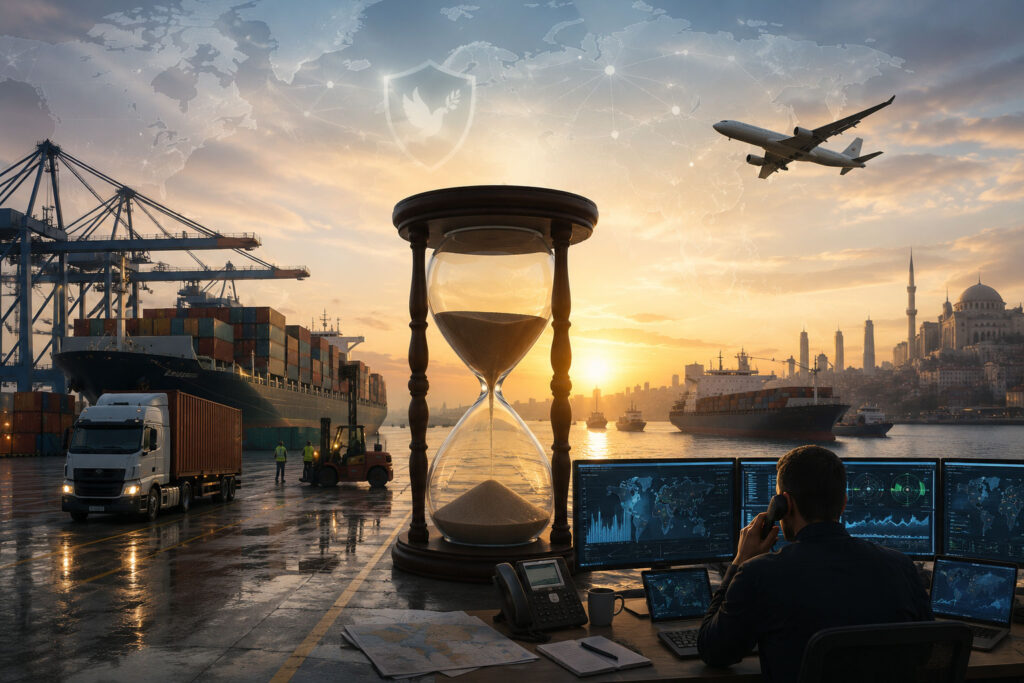
In global logistics, even a short pause in conflict can feel like a turning point. So when news of an extended ceasefire in the Middle East emerged, it was met with cautious optimism across the industry. After weeks of disruptions, rising freight costs, and unpredictable transit times, many businesses hoped this would signal the beginning of a return to stability. For shippers, freight forwarders, and supply chain managers, it felt like a moment to reassess, recalibrate, and possibly recover.
However, logistics is not that simple. While the ceasefire has created a temporary sense of relief, it has not immediately restored normalcy. The stark reality is that global supply chains don’t reset overnight. Instead, they respond gradually—shaped by confidence, risk perception, and operational constraints that take time to stabilize.
Let’s dive deep into the ceasefire’s impact on the dynamics of shipping and logistics in the region—and how TFI can help you navigate uncertainty and maintain supply chain continuity seamlessly.
A Pause in Conflict, Not a Reset in Operations
At a surface level, a ceasefire suggests calm. But within the logistics ecosystem, it is better understood as a pause rather than a full reset. Critical shipping routes, particularly those connected to the Gulf, are still experiencing reduced traffic, cautious operations, and lingering uncertainty. Vessel operators, insurers, and cargo owners are not simply reacting to the present moment – they are anticipating what comes next.
This uncertainty plays a major role in decision-making. Even with reduced tensions, many stakeholders are hesitant to immediately resume normal routing patterns. The question is no longer just about whether it is safe today, but whether it will remain stable tomorrow. As a result, operations continue to move at a slower, more calculated pace, reflecting a market that is still rebuilding trust rather than fully regaining it.
Ongoing Strain on Sea Freight Networks
The maritime sector, in particular, continues to feel the aftereffects of recent disruptions. Delays have created a backlog of vessels and containers, while rerouted shipments have displaced capacity across global trade lanes. Shipping lines that previously adjusted their routes to avoid high-risk zones are not rushing to revert to their original schedules, as doing so would introduce new uncertainties into already fragile supply chains.
This has led to a situation where congestion, delays, and inconsistent schedules remain part of daily operations, even in the presence of a ceasefire. Ports are working through accumulated volumes, while carriers are managing imbalances in equipment and vessel positioning. If your business relies on sea freight, brace yourself for longer lead times, less predictability, and the continued need for
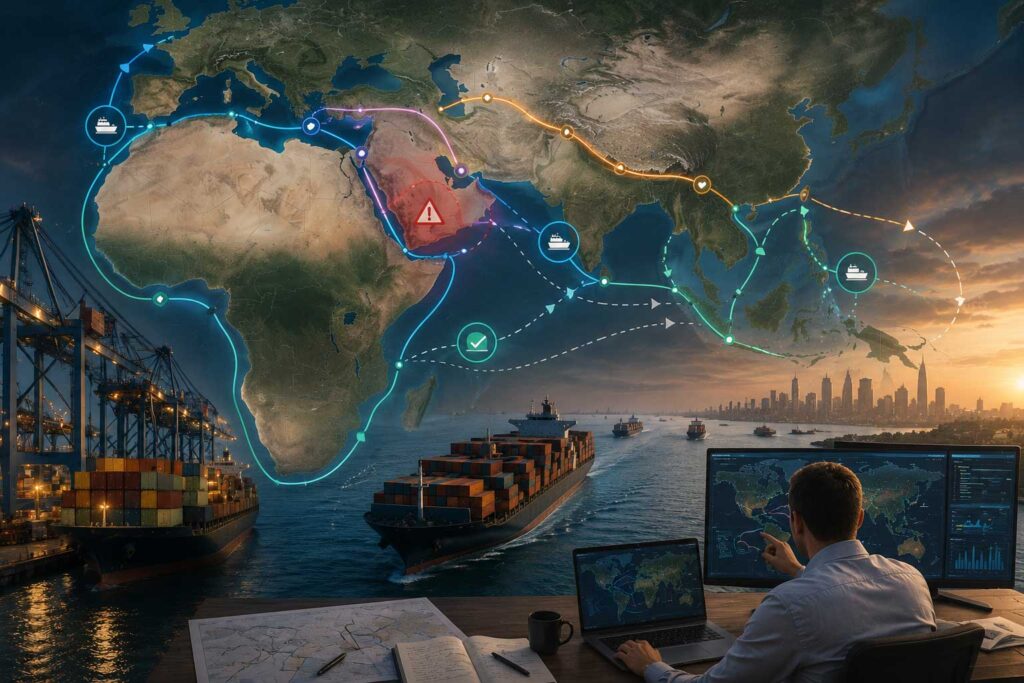
Alternative Routes are Now Part of the Strategy
At a surface level, a ceasefire suggests calm. But within the logistics ecosystem, it is better understood as a pause rather than a full reset. Critical shipping routes, particularly those connected to the Gulf, are still experiencing reduced traffic, cautious operations, and lingering uncertainty. Vessel operators, insurers, and cargo owners are not simply reacting to the present moment – they are anticipating what comes next.
This uncertainty plays a major role in decision-making. Even with reduced tensions, many stakeholders are hesitant to immediately resume normal routing patterns. The question is no longer just about whether it is safe today, but whether it will remain stable tomorrow. As a result, operations continue to move at a slower, more calculated pace, reflecting a market that is still rebuilding trust rather than fully regaining it.
Cost Pressures Continue to Impact the Supply Chain
While the ceasefire has helped ease immediate geopolitical tensions, its impact on costs is far less immediate. The past weeks have driven up freight rates due to a combination of war-risk premiums, fuel price volatility, and extended transit times caused by rerouting. These cost increases do not disappear as soon as a ceasefire is announced—they persist, gradually stabilizing over time.
For businesses, this means that logistics expenses are likely to remain elevated in the short term. Budgeting, pricing strategies, and customer commitments all need to account for this continued pressure. In many cases, companies are absorbing higher costs to maintain service levels, while others are reevaluating their supply chain models to improve efficiency and reduce exposure to similar disruptions in the future.
Air Freight as a Strategic Backup
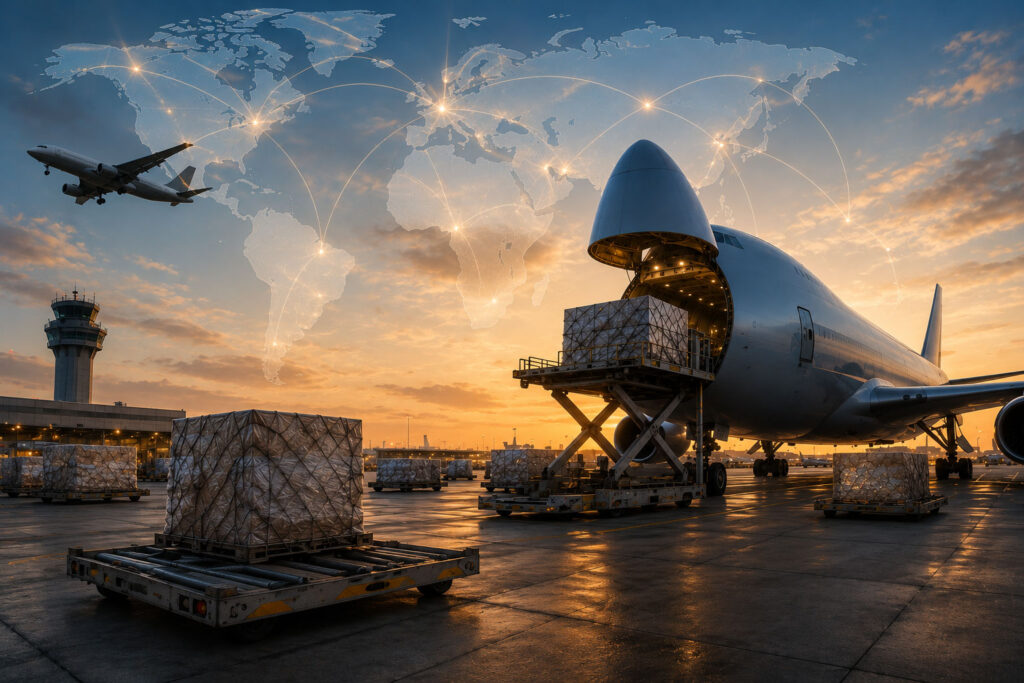
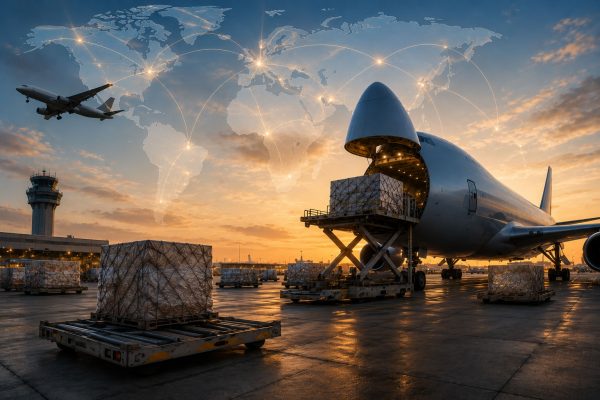
During the peak of disruptions, air freight emerged as a critical alternative for businesses needing to move time-sensitive or high-value cargo. Pharmaceuticals, perishables, and essential goods often relied on air transport to meet urgent deadlines when sea freight became unreliable. With the ceasefire in place, air cargo operations are beginning to stabilize, but the shift back to normal capacity is gradual rather than immediate.
Challenges such as limited space, fluctuating schedules, and higher costs remain part of the equation. As a result, air freight continues to serve as a strategic backup rather than a primary solution. Businesses that use it effectively are those that integrate it into a broader, flexible logistics strategy—deploying it when necessary while balancing cost and urgency.
The Hidden Challenge: Backlogs and Recovery Time
One of the most overlooked consequences of disruption is the backlog it leaves behind. Even when conditions improve, the system must work through accumulated delays before it can fully stabilize. Containers that were held back need to be cleared, vessels must return to their intended schedules, and ports must process increased volumes within limited timeframes.
This creates a ripple effect that extends well beyond the ceasefire period. Delays experienced today can continue to impact operations for weeks, as each stage of the supply chain works to catch up. For businesses, this means that planning cannot simply focus on the present—it must also account for the lingering effects of past disruptions.
A Long-Term Shift in Supply Chain Thinking
Perhaps the most lasting impact of this ceasefire is not operational, but strategic. The recent disruptions have highlighted the risks of overdependence on single routes, single ports, or single modes of transport. As a result, businesses are rethinking how they design and manage their supply chains.
There is a growing emphasis on diversification, resilience, and agility. Companies are investing in multiple routing options, strengthening relationships with logistics partners, and building contingency plans that allow them to respond quickly to changing conditions. This shift represents a broader evolution in the industry – one where flexibility and preparedness are becoming central to long-term success.
What This Means Moving Forward
For businesses operating in and around the Middle East, the current environment should be viewed as a transition rather than a conclusion. The ceasefire provides an opportunity to stabilize operations, but it does not eliminate the need for careful planning and proactive decision-making.
Success in this phase depends on the ability to adapt quickly, maintain visibility across shipments, and respond effectively to ongoing changes. Companies that remain flexible and informed will be better positioned to navigate uncertainty, while those that rely on rigid structures may find themselves struggling to keep up.
Final Thoughts
The extended ceasefire has created a window of relief, but it has not erased the challenges facing global logistics. Shipping networks are still recalibrating, costs are still adjusting, and supply chains are still absorbing the impact of recent disruptions. In many ways, this moment represents a shift from crisis management to strategic adaptation.
Because in logistics, stability is rarely permanent and resilience is built not during calm periods, but in how effectively businesses respond to uncertainty.
Stay Ahead of Disruptions with TFI
In today’s ever-changing geopolitical landscape, logistics requires more than execution—it demands foresight, flexibility, and the ability to act quickly when conditions change.
As one of the leading shipping and logistics companies in the UAE, we support businesses with solutions designed for exactly these moments, including:
Alternative routing across land, sea, and air
Cross-border and bonded transit solutions
Real-time visibility and proactive communication
Rapid response to disruptions and changing conditions
Tailored strategies based on cargo type, urgency, and market dynamics
Whether you are managing ongoing delays, exploring new routes, or strengthening your supply chain for the future, our team is ready to help you move forward with confidence.