

Transporting Swabs by Road in the UAE: Everything You Need to Know
When it comes to biological sample transport, every detail matters. Something as small as a swab can hold critical medical information that influences diagnosis, treatment, or even the containment of infectious disease. Because of this, transporting swabs by road under the right conditions isn’t just a logistical matter – it’s a responsibility tied to patient safety, public health, and trust in the medical system.
Among the most important requirements is maintaining a temperature between 2°C and 8°C throughout the journey. This narrow range is what protects samples from degradation, ensures accurate results, and keeps healthcare providers confident in their decisions.
In this article, we’ll break down everything you need to know about medical specimen transport by road, focusing on swabs, and how cold chain transport for pharma makes it possible.
Why Temperature Matters for Swabs
Swabs are commonly used to collect respiratory samples, wound cultures, throat specimens, and increasingly, genetic material for PCR testing. These aren’t just pieces of cotton on a stick – they are vessels of highly sensitive biological material.
- Loss of viability
Bacteria and viruses can quickly become inactive at high temperatures.
- Molecular degradation
Proteins and RNA degrade outside controlled temperature ranges.
- Patient impact
Compromised samples may cause false results, delays, or misdiagnosis.
The 2 – 8°C range is considered the “sweet spot” because it slows down biological activity without freezing or damaging the cells. For hospitals, labs, and clinics, this is the temperature zone that ensures swabs remain useful when they arrive at their destination.
Packaging Protocols That Protect Integrity
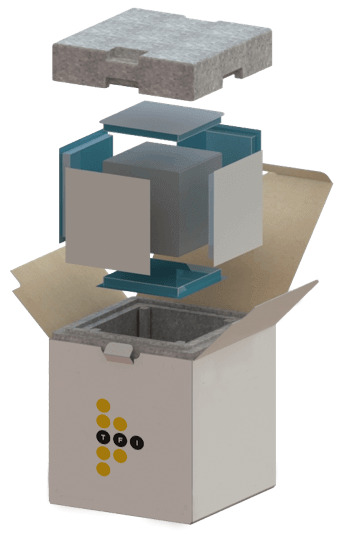
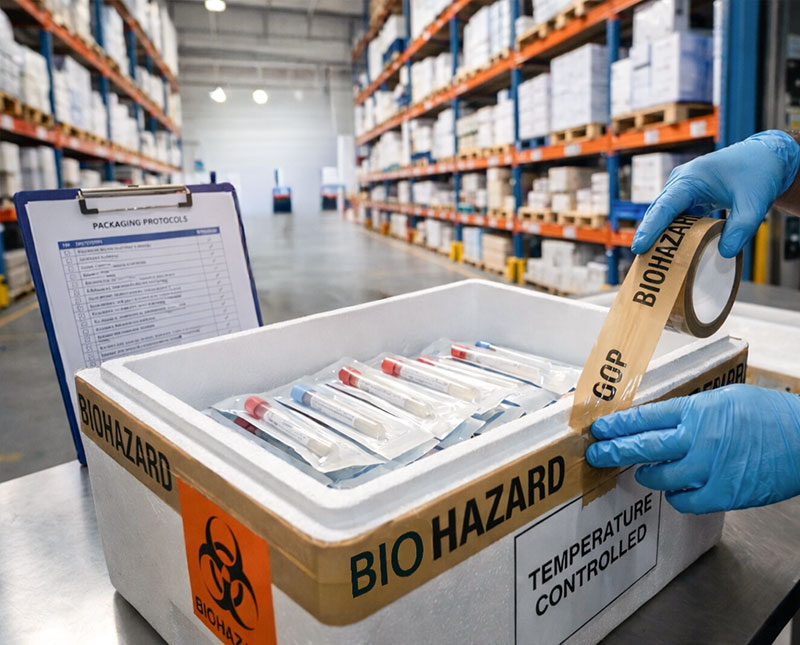
Maintaining temperature is one part of the equation, but safe packaging is equally critical. International guidelines – from the CDC, WHO, and IATA for air equivalents – outline a ‘triple packaging system’ for biological sample transport:
Primary container
A sealed, leakproof tube or vial holding the swab
Secondary container
A durable, watertight case with absorbent material to contain leaks
Outer container
A sturdy, insulated box with labels and orientation arrows for handlers
Inside the outer container, cool packs and thermal insulation maintain the 2 – 8°C range. Road shipments can take hours; sometimes days. This is why insulation and validated cold packs are essential to keeping swabs stable from pickup to delivery.
The Most Common Challenges in Transporting Medical Specimen Transport by Road
Road transport adds layers of complexity compared to controlled lab storage. Some of the most common challenges include the following:
Traffic delays
Longer transit times increase the risk of temperature excursions
Climate conditions
Extreme heat in regions like the UAE puts stress on cooling systems
Vehicle reliability
Even a short power failure in the reefer unit can compromise an entire batch of swabs
Human handling errors
Improper packaging, delayed loading, or lack of training can undo all compliance measures
These risks make it clear why specialized cold chain transport for pharma is necessary. Not every logistics provider has the expertise or equipment to safeguard medical samples. Hence, it’s crucial to partner with a reputable and qualified pharma logistics company in the UAE like TFI.
The Role of Technology in Swab Transport
Modern medical specimen transport by road is far more advanced than just loading a cooler box into a van. Leading logistics companies integrate technology at every stage, which includes:
- Validated refrigerated reefer vehicles that maintain consistent temperatures within 2 - 8°C
- Real-time temperature monitoring that alerts the team if there’s even a minor fluctuation
- Data logging that provides an auditable record for regulatory compliance and quality assurance
- GPS tracking that ensures shipment visibility, helping coordinators reroute vehicles in case of roadblocks or delays
These tools reduce uncertainty and ensure that swabs arrive in perfect condition, ready for testing.
Best Practices for Reliable Road Transport
Pharma logistics companies follow the best practices to make road transport of swabs safe, efficient, and compliant. These include:
- Pre-shipment coordination
Real-time systems are more expensive than traditional data loggers, which can be a barrier for smaller shipments.
- Regular sanitization
Vehicles are cleaned and sanitized periodically to prevent contamination.
- Contingency planning
Whether it’s a standby vehicle, alternate route, or replacement cooling packs, a backup is always available.
- Risk assessment
Possible hazards such as traffic, equipment failure, and heat exposure are anticipated. Countermeasures are also prepared to combat these risks.
- Ongoing staff training
Drivers and handlers undergo stringent training to equip them with practical knowledge about packaging, handling, and emergency response protocols.
TFI: Your Trusted Pharma Logistics Partner for Transporting Swabs via Road
At TFI, we recognize that transporting swabs is not just about moving boxes – it’s about protecting lives. Our approach combines compliance, technology, and human care to ensure every biological sample reaches its destination in perfect condition.
Here’s how we do it:
- GDP-compliant processes across every stage of the journey
- Validated reefer vehicles designed to keep swabs within the 2 - 8°C range
- Real-time temperature monitoring & data logging for full transparency
- GPS tracking to ensure visibility and timely interventions if needed
- WHO thermal mapping compliance, with vehicles qualified according to international standards
- Periodic sanitization to maintain hygiene and prevent cross-contamination
- Pre-shipment coordination that includes route optimization, risk assessment, and contingency planning
This combination ensures that healthcare providers can focus on what they do best – caring for patients – while trusting that their specimens are handled with the utmost integrity.
In a Nutshell
Transporting swabs by road may sound straightforward, but in reality, it’s a complex process that demands precision, compliance, and care. From packaging and temperature control to risk planning and compliance with global standards, every step plays a role in protecting the integrity of biological samples.
When swabs are transported correctly, patients benefit from reliable test results, labs gain trust in their samples, and healthcare systems can make timely, life-saving decisions. But when something goes wrong, the consequences ripple out – wasted resources, delayed diagnoses, and compromised patient outcomes.
That’s why choosing the right logistics partner matters. At TFI, we combine GDP-compliant operations, validated reefer vehicles, real-time monitoring, and contingency planning to make sure that every swab is transported with precision and care.
Need assistance with swab transport via road? Get in touch with our in-house experts today!